INTEL Netstructure Telcom Network Switch Cpci Blade 10-100-1000 ZT8101 26-PORT
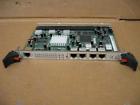
( Brand: Intel ), ( Manufacturer Part Number: NETSTRUCTURE ), ( Part Type: Switch Blade ), ( Country/region Of Manufacture: Unknown )
Review INTEL 26-port Telcom Network Switch Cpci Blade
The Intel ZT8101 NetStructure 26-Port Telcom Network Switch CPCI Blade is a high-performance networking solution designed for data centers and telecommunications applications. This 10/100/1000 Base-T Ethernet switch offers 26 ports, each capable of delivering up to 1 Gbps of bandwidth, ensuring fast and reliable data transfer across your network.
The switch is equipped with Intel's advanced NetStructure architecture, which provides advanced features such as VLAN support, Quality of Service (QoS), and link aggregation for optimized network performance and traffic management. The switch also supports advanced security features such as IEEE 802.1X, MAC address filtering, and port security to protect your network from unauthorized access.
The Intel ZT8101 NetStructure 26-Port Telcom Network Switch CPCI Blade is a compact, blade-form factor device, making it ideal for use in space-constrained environments such as server racks. It is designed to fit into Intel's NetStructure blade chassis, providing a high-density networking solution that can support multiple switches in a single chassis.
The switch is powered by a CPCI (Common Power Connector Interface) blade power connector, which allows it to draw power directly from the chassis, eliminating the need for additional power cables. This reduces clutter and improves the overall efficiency of your data center or telecommunications facility.
In conclusion, the Intel ZT8101 NetStructure 26-Port Telcom Network Switch CPCI Blade is a powerful and compact networking solution that offers advanced features and high-performance connectivity for data centers and telecommunications applications. Its space-saving blade form factor, advanced security features, and reliable performance make it an excellent choice for organizations looking to upgrade their networking infrastructure.
Pros of buying Intel ZT8101 NetStructure 26-port Telcom Network Switch CPCI Blade:1. High-Performance: The Intel ZT8101 is a high-performance switch designed for telecom applications. It supports data rates up to 10 Gbps, providing fast and reliable data transfer.
2. Scalability: With 26 ports, this switch offers a good balance between capacity and cost, making it suitable for medium-sized networks. It can be easily upgraded or expanded by adding more blades to the chassis.
3. Reliability: Intel's NetStructure switches are known for their reliability and durability. They are designed to operate in harsh environments and can withstand high power consumption and temperature variations.
4. Management Features: The switch comes with advanced management features such as Quality of Service (QoS), Virtual LANs (VLANs), and Link Aggregation Control Protocol (LACP) to ensure network efficiency and security.
5. Compatibility: The CPCI blade format is widely used in many servers, making it easy to integrate this switch into existing infrastructure.
Cons of buying Intel ZT8101 NetStructure 26-port Telcom Network Switch CPCI Blade:1. Cost: The Intel ZT8101 is a high-end switch, and its price reflects its features and performance. It may be too expensive for small businesses or home networks.
2. Complexity: The switch's advanced features can be overwhelming for less experienced network administrators. Proper training or consultation may be required to fully utilize its capabilities.
3. Size and Power Consumption: The CPCI blade format is larger and consumes more power compared to other types of switches. This may require additional cooling and power supply infrastructure.
4. Lack of Port Density: With only 26 ports, this switch may not be sufficient for large networks that require a higher number of connections.
Conclusion:The Intel ZT8101 NetStructure 26-port Telcom Network Switch CPCI Blade is a high-performance, scalable, and reliable switch ideal for medium-sized telecom networks. Its advanced management features and compatibility with CPCI servers are its main strengths. However, its high cost, complexity, size, and power consumption are potential drawbacks. If the benefits outweigh the drawbacks for your specific use case, then this switch could be a good investment. If not, consider other options with a lower price point or different form factors.
Details:
16-compliant, in-chassis switch minimizes external wiring, thus improving density and reliability. Front panel ports provide multiple fast Ethernet and gigabit connections without the need for a rear transition card. The pic mg 2.
Console access is enabled through an rs-232 serial cable to configure snap, telnet, Cali and Ramon management functionalities. Intel ZT8101 Netstructure 26-port telcom network switch cpci blade this high-performance managed layer 2/3 provides twenty-four bps Ethernet ports and two gigabit for fast connection speeds flexibility in a 6u compacts form factor board. It routes and switches at full wire speed utilizing non-blocking architecture, has sophisticated multi cast protocols to limit unnecessary traffic.
part #: netstructure prices
- $82.80-$199.99
specifications tecomsy:
- brand: Intel
- mpn: Netstructure
- part type: Switch Blade
- country/region of manufacture: Unknown
General tecomsy:
- in stock: Yes
- condition: Used
- business office telecom systems
Returns tecomsy:
- policy: no returns
Offer tecomsy:
- Started: October 12, 2018, 8:03 pm
- bids: 0
- Sold: 0
- quantity: 3
- best offer: true
Ratings:
- Thanks 10-11-18
- Exactly as described Fast shipping 10-12-18
- Thank! 10-11-18
- good seller,thanks. 10-12-18
Seller tecomsy:
- zipcode: 30601
- city: Athens, Georgia
Payments tecomsy:
- PayPal
Shipping tecomsy:
- type: Flat
- handling: 3 days
- cost: $0.0
Intel NETSTRUCTURE Is Similar To:
- 539931-001 Hp Intel Gigabit Quad Port Pcie Server Network Card (35.4% similar) You are buying on one hp quad port network card P/N NC375T...(January 21st, 2019)
- D240jctt1ew Dialogic Intel 24-port Pci (36% similar) Listing is for a used - guaranteed working D240JCTT1EW dialog Intel 24-PORT pci express media board ti span...(July 27th, 2017)
- Mpchc5091 4u Intel Compactpci Cpci (40% similar) Buyer is to pay actual shipping costs based on address. Packaging fee is as stated above. 3 lbs and oz check for exact listing. If it is not pictured, included. It has been a pleasure doing business. 5ADC 36-60V 13. PDF 230V50-60HZ this means that all used or surplus items are sold as-is except for ...(March 31st, 2017)
- My-0rn219 Intel Single Port Sr Optical Newtwork Card (42.7% similar) You are buying on one Intel 10GB card...(April 5th, 2019)
- Rn219 Dell Intel Single Port Sr Optical Network Card (42.7% similar) You are buying on one Intel 10GB card...(November 10th, 2018)
- Nexcom Hdb42722 Dual Intel Lv Xeon Blade (44% similar) Are not included with this equipment unless pictured and/or listed in the above. Hours / location. Fast and hassle-free...(February 27th, 2026)
- Nexcom Hdb44722n Dual Intel Xeon Blade (42.7% similar) Fast and hassle-free. Hours / location. Are not included with this equipment unless pictured and/or listed in the above...(February 27th, 2026)